







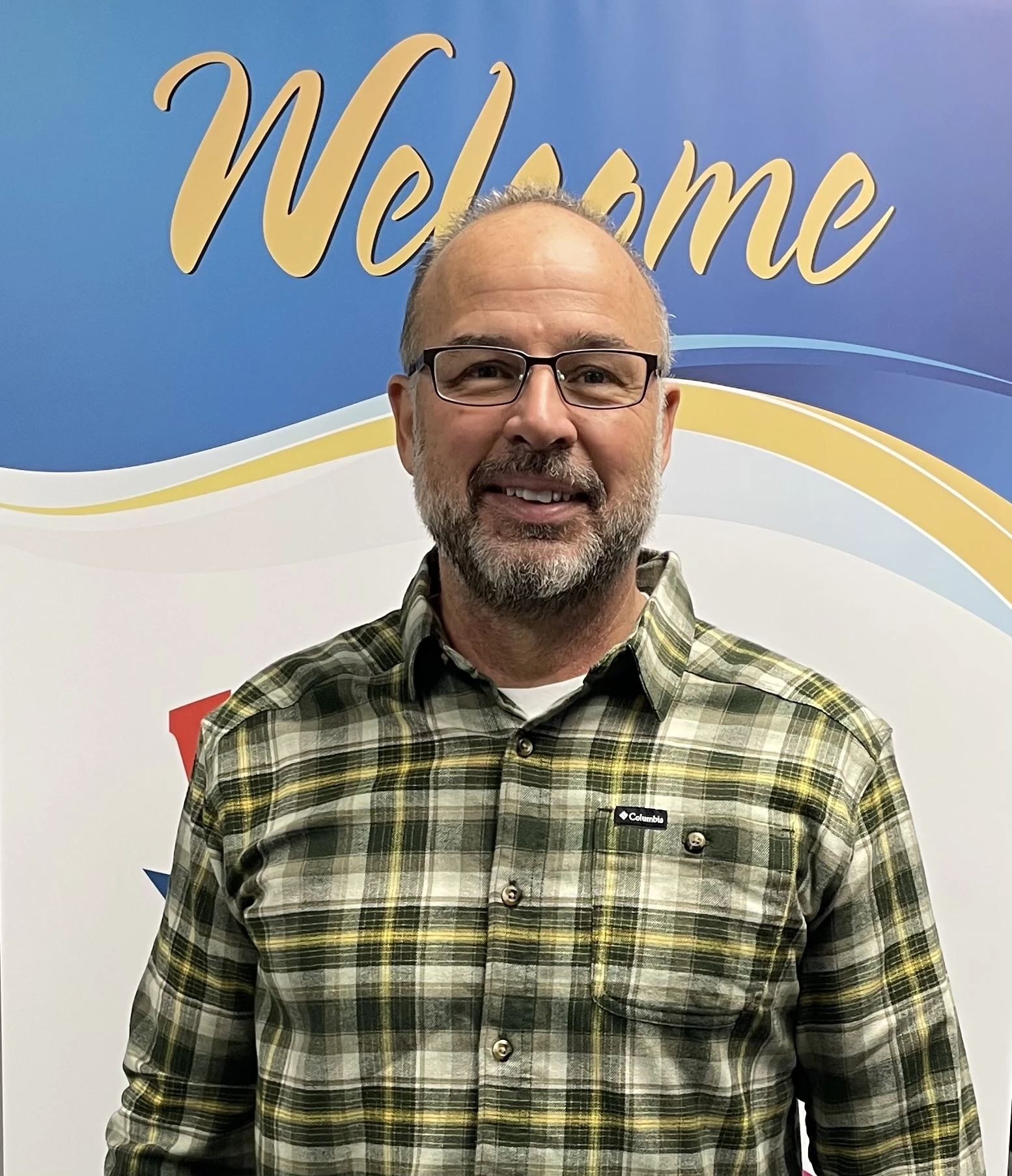
Washington County Sheriff Martin Schulteis stopped in for a visit to the WTKM studio on Wednesday, April 29. He was ready and a bit excited to discuss various topics about law enforcement, technology, the Washington County Co-Responder Unit and traffic safety.
Schulteis said the department is busy and will be welcoming a second patrol K9 in the near future. Law enforcement is evolving and changing consistently.
"It is, sure but our mission remains the same. We are here to protect people, keep the peace and serve our community. The expectations of the job have become more complex, the types of calls that we respond to and the tools we use have changed."
Sheriff Schulteis continued on the trends of law enforcement on a local level and what it looks like in Washington County. The biggest area seems to be the role of technology and how it plays with the role of policing.
"That affects both how crimes are committed and how we investigate them. A case that once had photos and written statements now involves phones, surveillance videos, social media, text messages, cameras and online investigations."
Mental health related calls have increased exponentially in Washington County. Those type of calls can be very serious. Co-Responder Units have been formed at the Washington County Sheriff's Office and involves pairing law enforcement with a clinical social worker. Schulteis told WTKM that in those tense moments, the job of law enforcement is to protect and stabilize the situation.
"It's a partnership between Washington County Human Services that pairs a deputy with a clinical social worker. In our county now, we have four teams of two that work sixteen hours a day, seven days a week. The unique part of it is the deputy addresses the safety and law enforcement concerns while the clinical social worker assesses the mental health needs and connects the person to services."
This high level of teamwork has been effective and continues to make a difference during crises calls. Those type of calls often involve public safety issues and behavioral health issues. This approach with the Washington County Co-Responder Unit addresses both sides. There is a proactive approach and reactive. The sheriff's deputy will stabilize the scene and then immediately bring in the clinical social worker to help with the assessment and to help deescalate the situation.
"There is also the proactive part," according to Schulteis. "It's when they are not responding directly to crisis calls. They are out, they have case loads where they are dealing with individuals and follow-ups with other individuals that might not otherwise get services. The goal is to keep them out of the criminal justice system."
The sheriff went on to say that those unit members want to be involved with it and are extremely committed. The four deputies currently serving on the Co-Responder Units in Washington County have a higher level of training. Patience and judgement are a big part of it.
We switched gears with the Washington County Sheriff and discussed staying safe on the roads this time of the year. He said traffic safety is one of the most visible and important parts of what they do.
"When it comes to speeding, distracted driving, reckless behavior and impaired driving they all create a serious risk. One of the challenges is that dangerous driving behavior can become normalized when people see it often enough. The risks are real. For us, traffic enforcement is not about writing tickets for the sake of it, it's about reducing crashes, preventing injuries and keeping the roads safe for everyone."
WTKM appreciates the sheriff's time. The entire interview is available on wtkmnews.com, under podcasts - "WTKM on Demand."

