








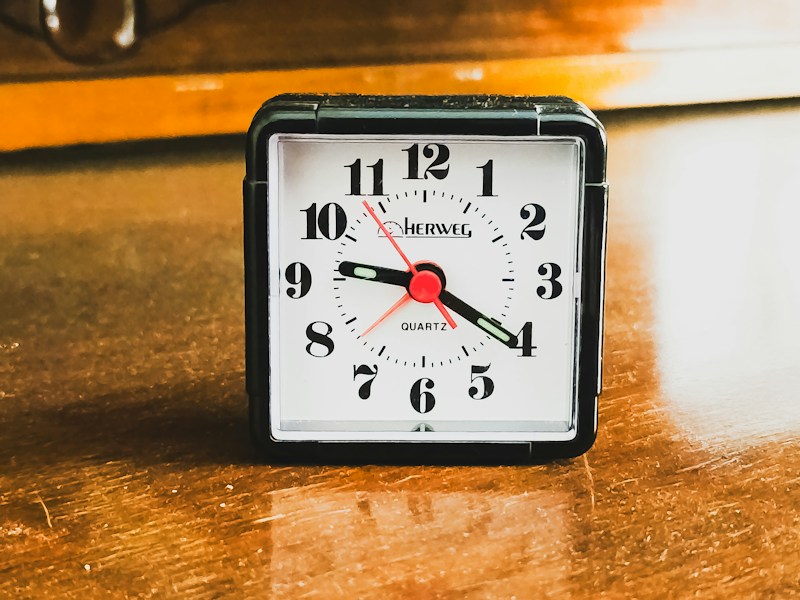
An extra hour of sleep is on the way, though the "fall back" to standard time will bring darker afternoons.
Daylight saving time ends at 2 a.m. local time on Sunday, November 1 which means you should set your clock back an hour before you go to bed. Standard time will last until March 14, when we will again "spring forward" with the return of daylight saving time.
One tip: Try to get outside for some morning sun — it'll help your body clock reset faster.
The brain has a master clock that is set by exposure to sunlight and darkness. This circadian rhythm is a roughly 24-hour cycle that determines when we become sleepy and when we're more alert. The patterns change with age, one reason that early-to-rise youngsters evolve into hard-to-wake teens.
Morning light is key to synchronizing that internal clock. By evening, levels of a hormone called melatonin begin to surge, triggering drowsiness. Too much light in the evening — whether from later time outdoors during daylight saving time or from artificial light like computer screens — delays that surge and the cycle gets out of sync.
And that circadian clock affects more than sleep, also influencing things like heart rate, blood pressure and stress hormones.
Many people easily adjust to the clock switch, like how they recover from jet lag after traveling. But a time change can add pressure on shift workers whose schedules already are out of sync with the sun, or those regularly sleep-deprived for other reasons.
About 1 in 3 U.S. adults sleep less than the recommended seven-plus hours nightly, and more than half of U.S. teens don't get the recommended eight-plus hours on weeknights.
The Associated Press' health and science coverage receives financial support from the AP Fund for Journalism and private foundations. AP is solely responsible for all content.